Ardouna calligraphy markARDOUNA
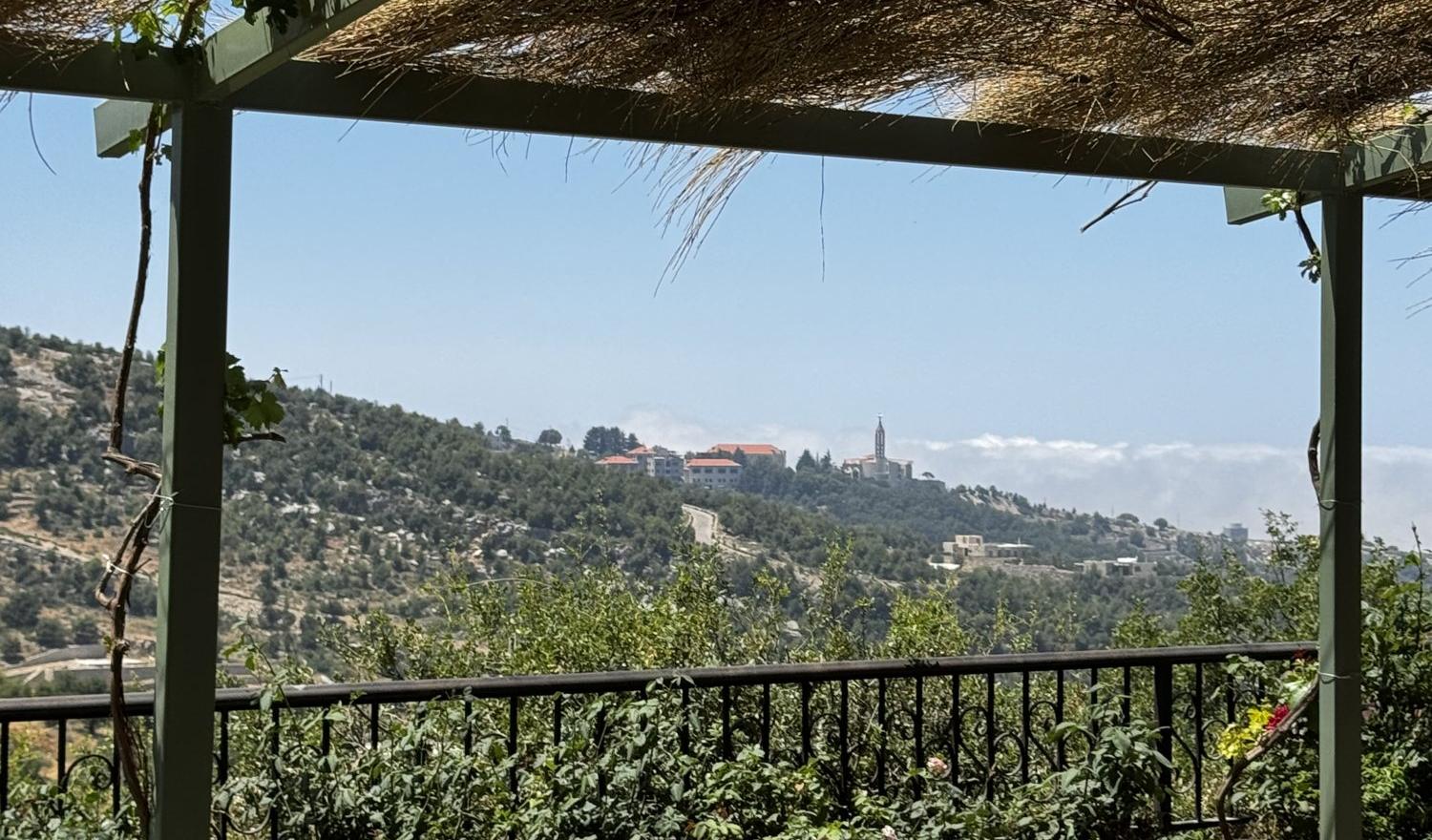
From the pergola at Ardouna: the olive hills and the monastery of Saint Charbel at Annaya across the valley, with clouds over the coast
Mechmech · facing Saint Charbel’s monastery at Annaya · 1,000 m

Olive oil from the mountain of Saint Charbel

Harvest 2026 · from our orchards in Mechmech, in the Annaya region, pressed at the Ardouna olive mill the day they are picked.

Ardouna · أرضنا · “our land”

Ardouna means “our land”. It is one family grove at Mechmech, on the slopes that rise from the sea at Byblos toward Annaya and the high mountain.

All our orchards are in Mechmech, in the region of Annaya, facing the monastery of Saint Charbel at the same height across the valley. The trees are old, the harvest is small, and every bottle comes from here. We pick, press and bottle on the land itself, and we publish what the laboratory finds.

The mountain

From the oldest harbour to the hermit’s mountain

The Byblos highlands seen from the air, with the coast and the sea on the horizon
Byblos · Jbeil

Where the coast begins

One of the oldest continuously inhabited cities in the world. For thousands of years its harbour sent cedar, wine and oil across the Mediterranean. Our grove sits in the hills behind it.
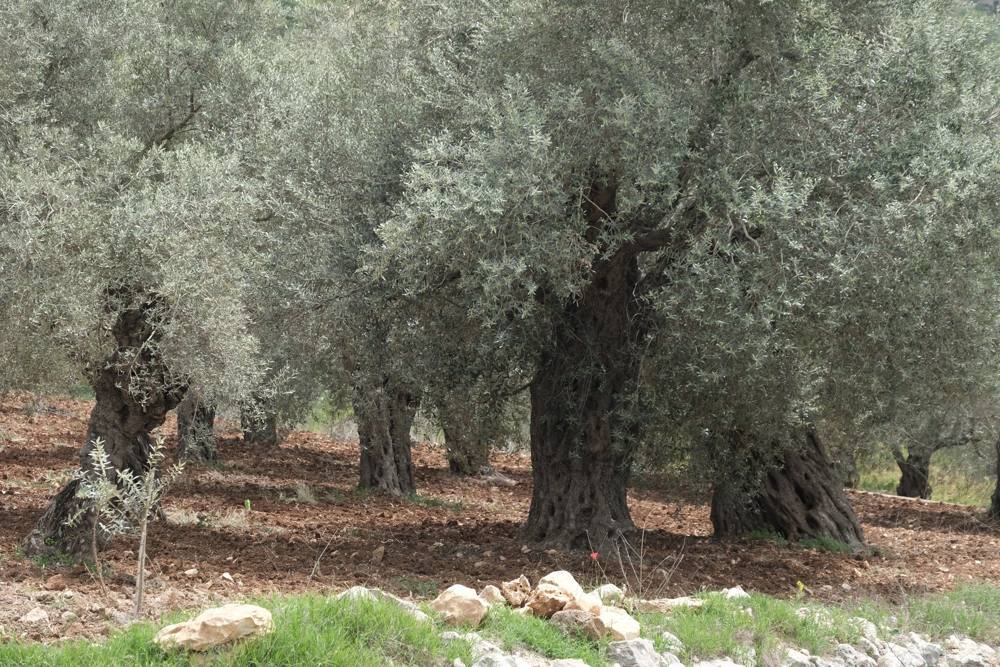
Old olive trunks on the red soil of the grove at Mechmech
Mechmech

Where the trees grow

A mountain village at about 1,000 metres in the region of Annaya, home to all our orchards and the Ardouna olive mill. Cool nights and a slow ripening keep the fruit green and sharp late into autumn.
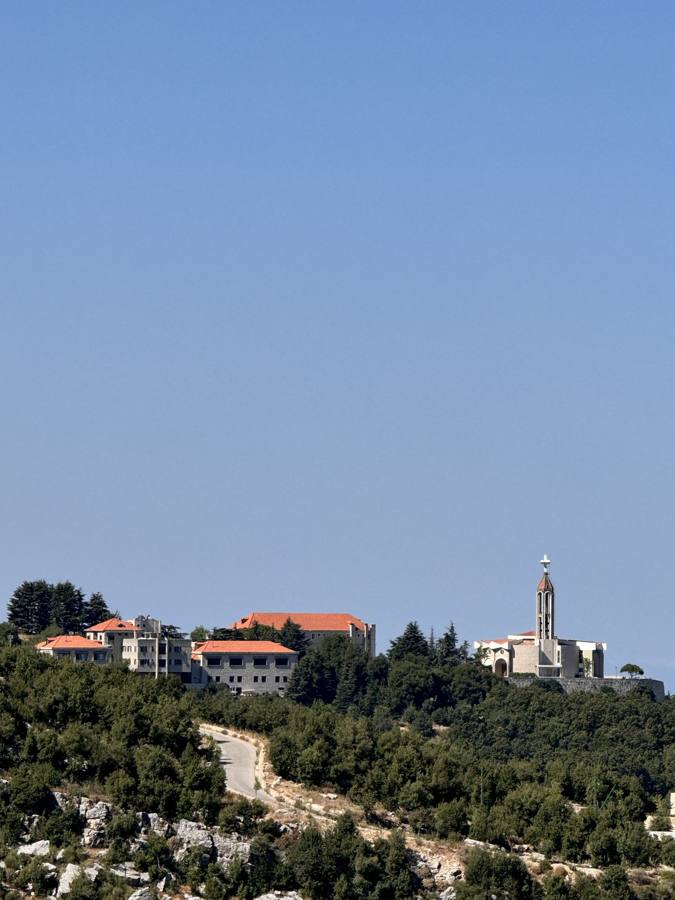
The monastery of Saint Charbel at Annaya, seen across the valley from the farm
Annaya

Saint Charbel’s mountain

Across the valley, at the same height as our grove, stands the monastery of Annaya, where Saint Charbel lived as a monk and then a hermit. His story.

Annaya · Saint Charbel

The monastery, the hermitage, and a saint known around the world

Across the valley from our orchards, at the same height on the facing slope, stands the Monastery of Saint Maron at Annaya. Charbel Makhlouf lived there as a monk of the Lebanese Maronite Order, then for 23 years as a hermit at the Hermitage of Saints Peter and Paul above it. He is buried at Annaya, and his tomb draws pilgrims from all over the world.

From this small mountain, devotion to Saint Charbel has travelled across the world, with churches and chapels in his name from New York to Sydney and Mexico City, and visitors of every faith coming to Annaya.
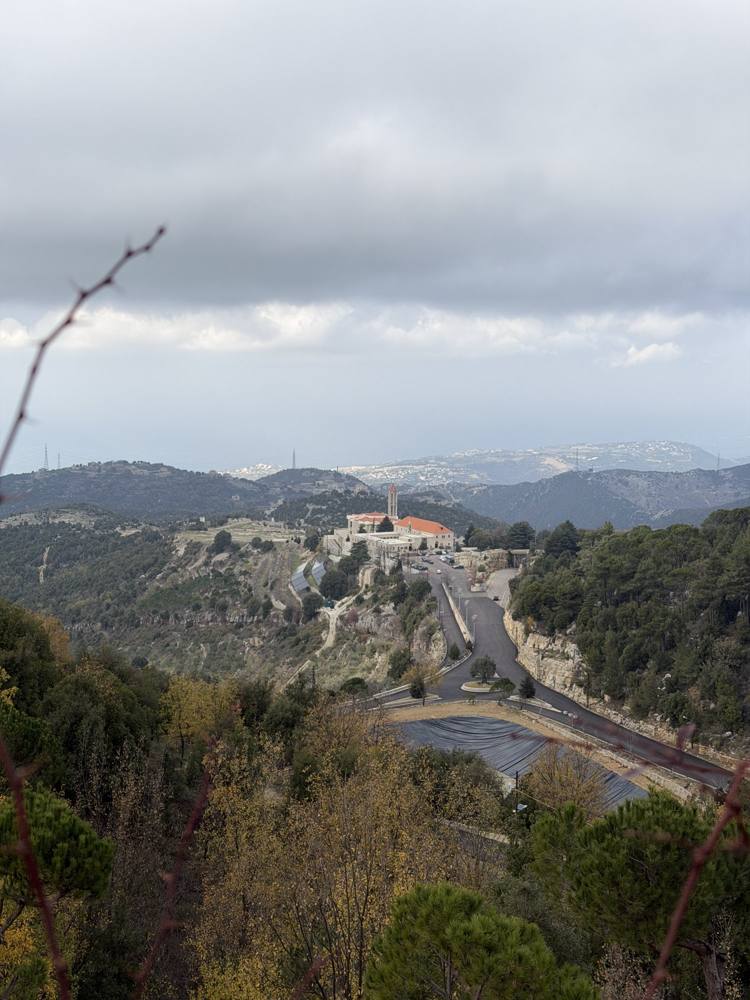
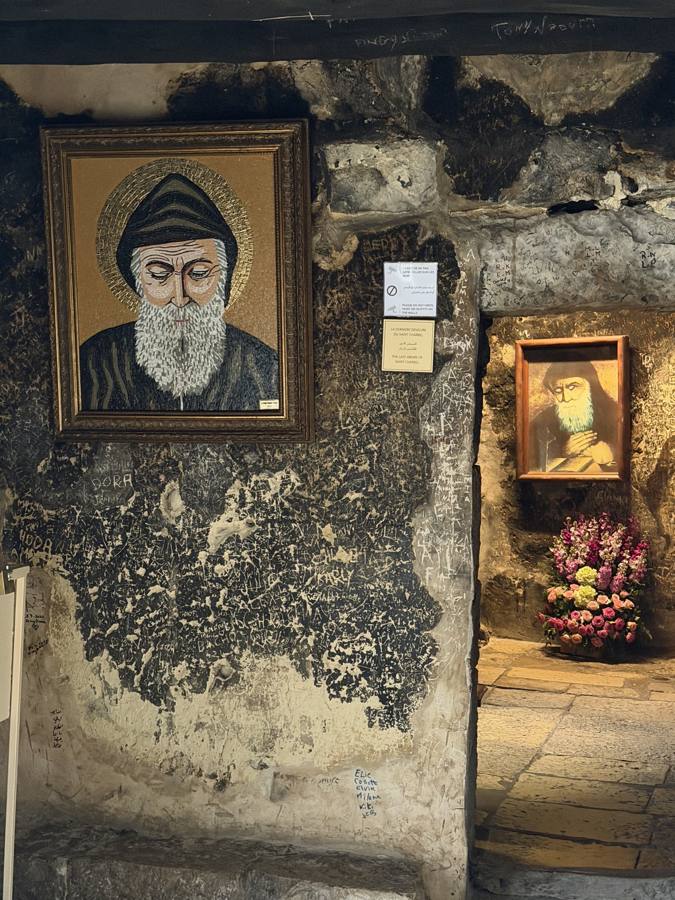
  1. 1828Born Youssef Makhlouf in Bekaa Kafra, in the mountains of north Lebanon
  2. 1853Professes his vows as a monk at the Monastery of Saint Maron, Annaya
  3. 1875Withdraws to the Hermitage of Saints Peter and Paul above the monastery
  4. 1898Dies on 24 December and is buried at Annaya
  5. 1965Beatified by Pope Paul VI
  6. 1977Canonised in Rome on 9 October
  7. 2017A chapel dedicated to him in St Patrick’s Cathedral, New York
  8. 2025Pope Leo XIV prays at his tomb in Annaya on 1 December
The monastery of Saint Charbel at Annaya, with the mountains of Lebanon behind
The monastery of Saint Charbel at Annaya, with the high mountains behind.
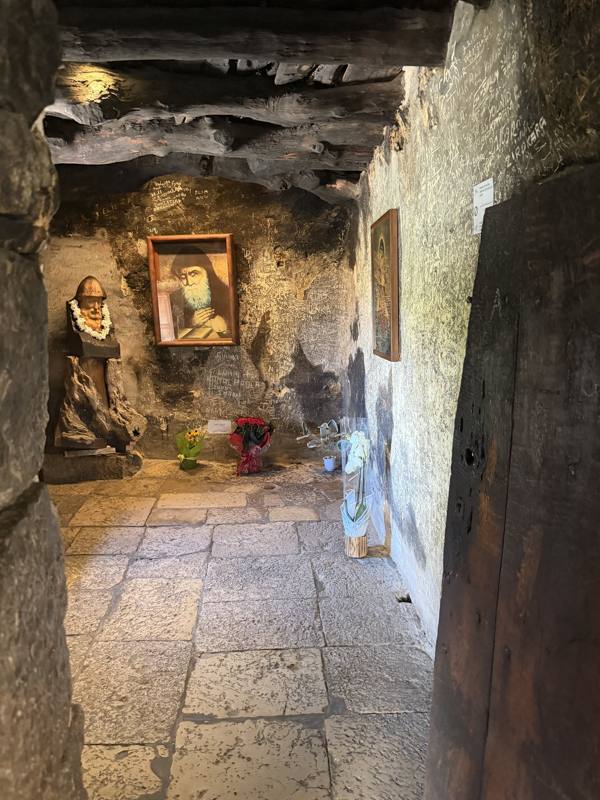
An icon of Saint Charbel on the stone wall of the hermitage
His icon on the hermitage wall.
The stone corridor of the hermitage with a statue and portrait of Saint Charbel
Inside the hermitage.
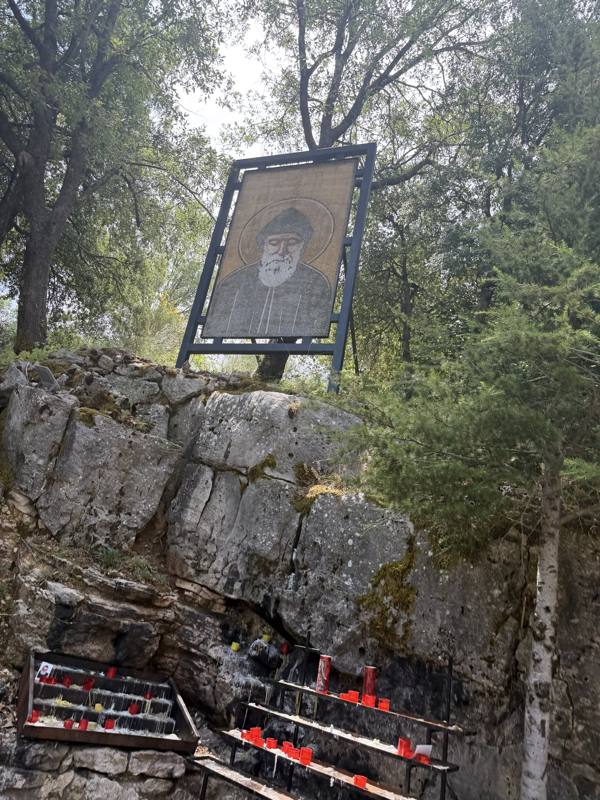
An icon of Saint Charbel above the rock, with red votive candles below
Candles left by pilgrims.
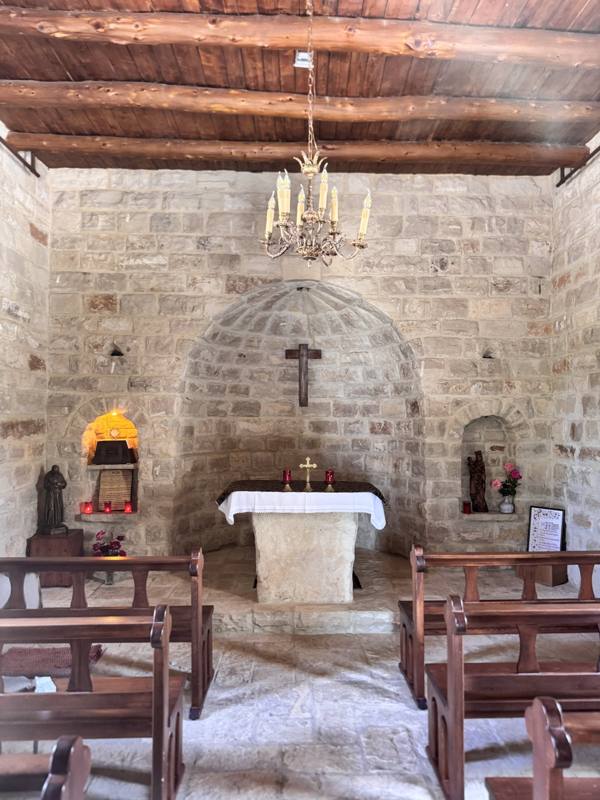
A small stone chapel with wooden pews and a simple altar
A stone chapel of the region.
Harvest 2026

This year we pick early, for flavour and polyphenols

Green olives give less oil but a greener, more peppery one, richer in the natural polyphenols of the fruit. In 2026 we are harvesting earlier than ever and accepting the smaller yield. Follow the season with us.

Last harvest, analysed · 2025
Free acidity0.33 %
Peroxide value3.7 meq O₂/kg
K2321.67
K2700.13
Total polyphenols234 mg/kg
Extra virgin limits: acidity ≤ 0.8 %, peroxides ≤ 20, K232 ≤ 2.50, K270 ≤ 0.22. Polyphenols measured as gallic acid equivalent. The 2026 analysis will be published here when it arrives.
  1. Late October

    Early green harvest

    Picked while most of the fruit is still green.

  2. Within 2 hours

    Pressed at the grove

    The olives go straight to the Ardouna olive mill, in the stone house at the grove. No trucks, no waiting.

  3. Cold

    Cold extraction

    Low malaxation temperature and no added water, to keep aroma and polyphenols.

  4. November

    Laboratory analysis

    Every lot tested, and the results posted on this page.

  5. December

    First bottles

    Unfiltered, released while the oil is at its freshest.
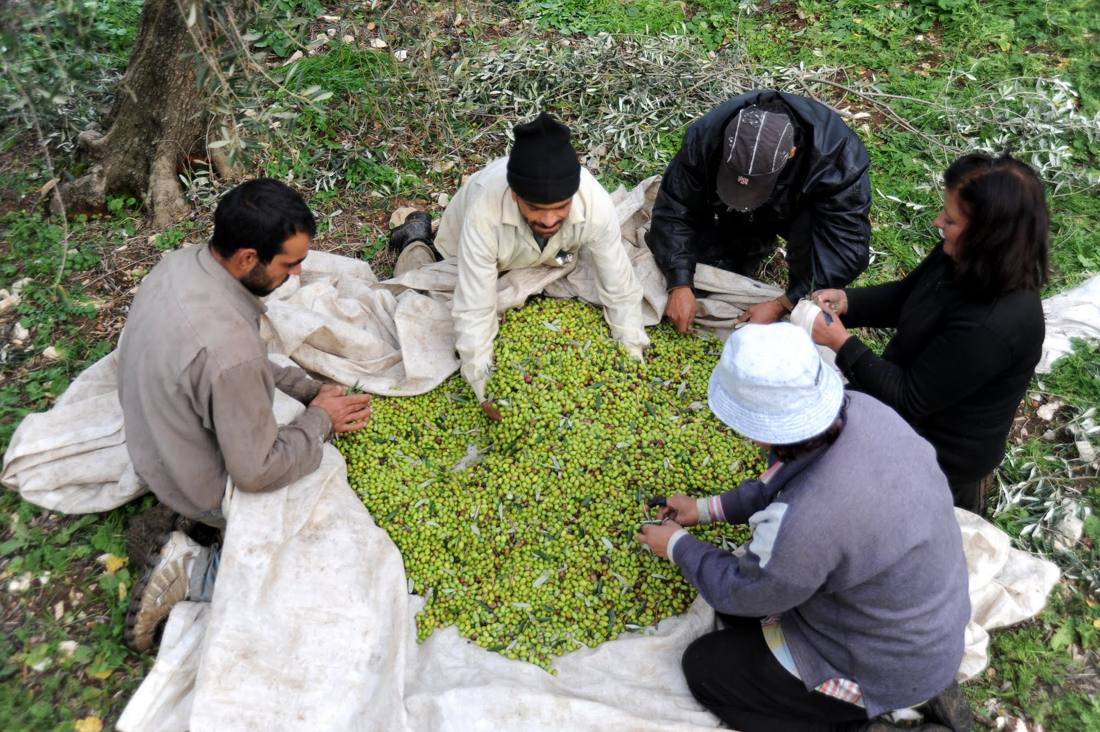
The harvest team gathering green olives from a sheet under the trees
Gathering the olives from the sheets under the trees.
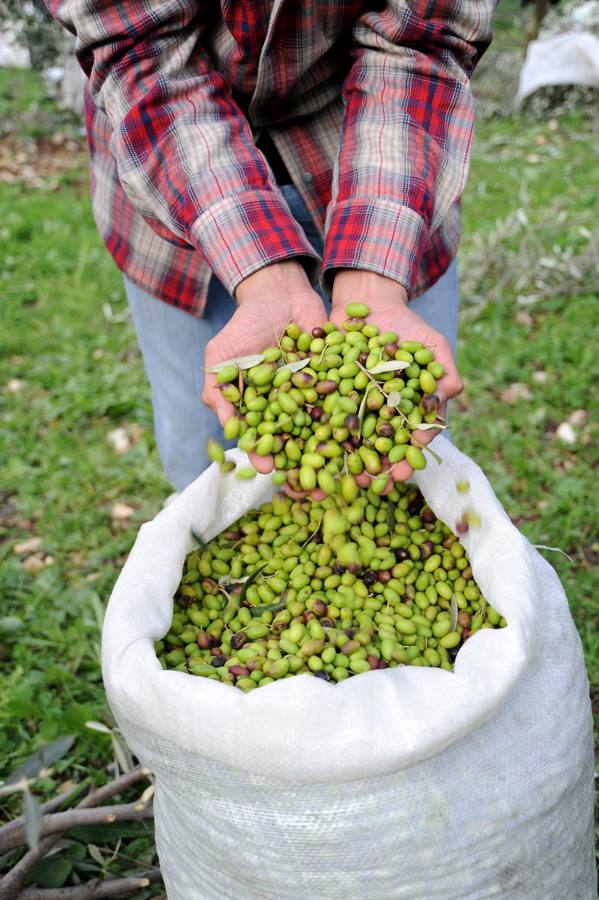
Two hands holding green olives above a full harvest sack
Green fruit, picked early.
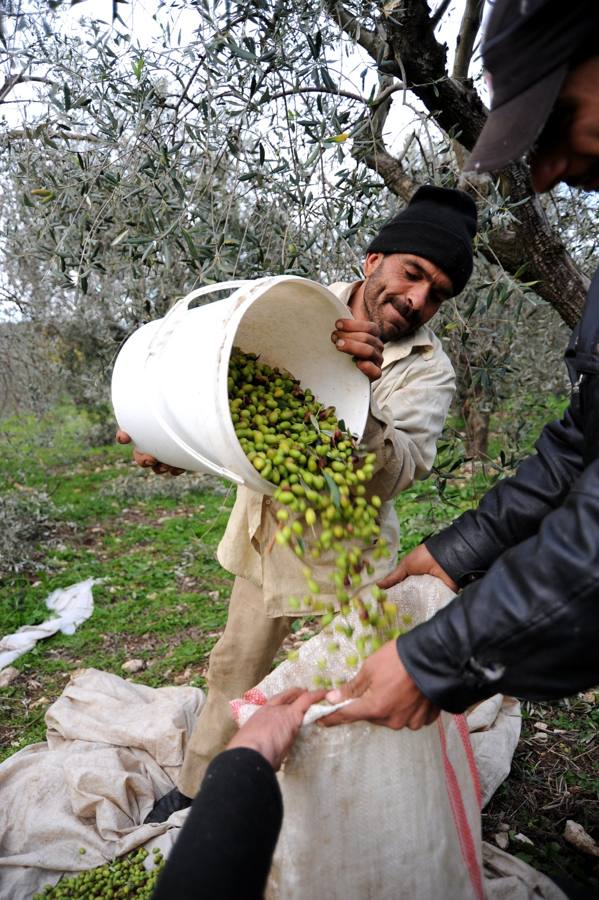
A picker pouring a bucket of olives into a sack
Into the sacks.
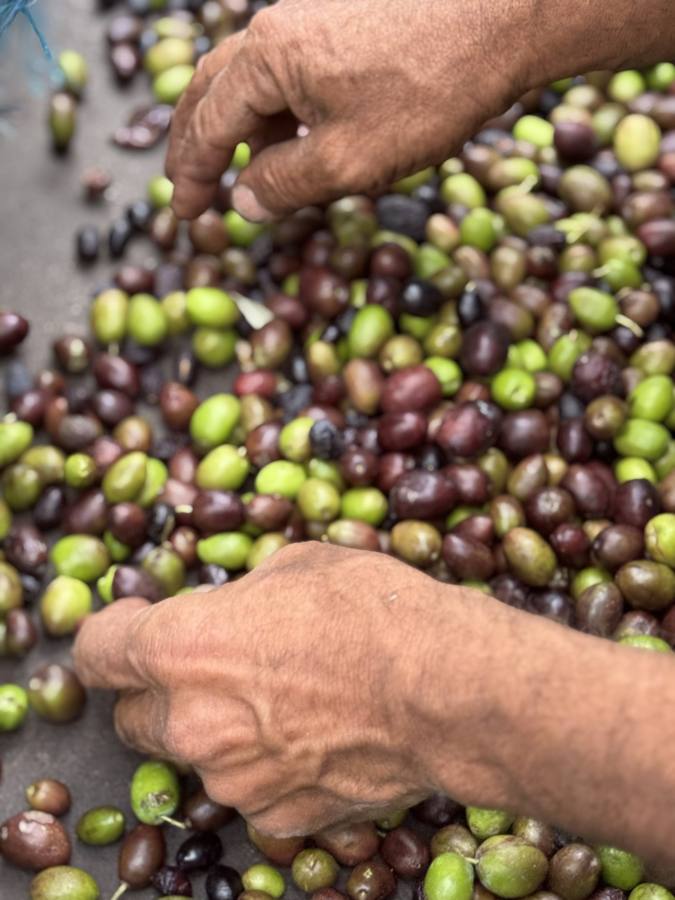
Hands sorting olives by colour, from green to purple
Sorting before the press.
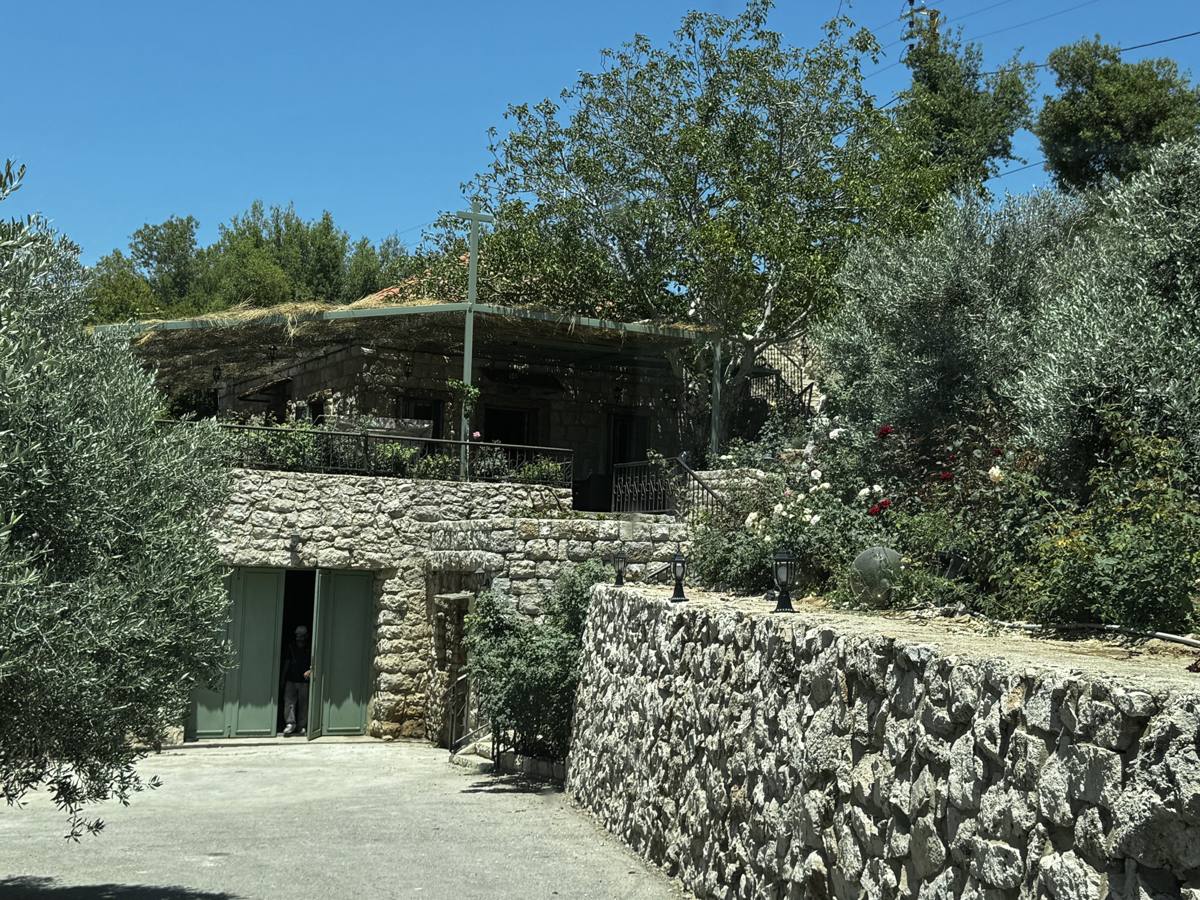
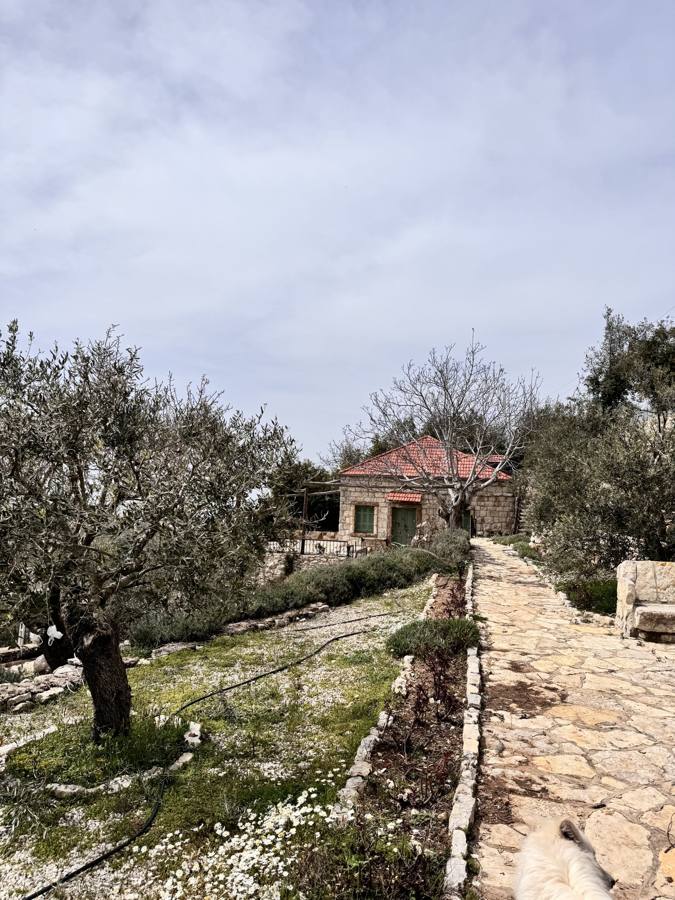
The stone house at Mechmech with its green doors and dry-stone walls
The stone house of the Ardouna olive mill.
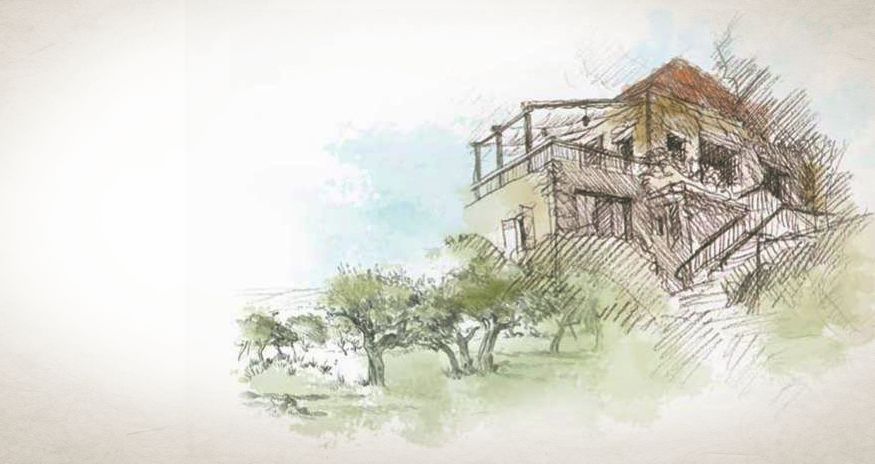
Watercolour sketch of the Ardouna stone house among the olive trees
The same house, as drawn for our label.
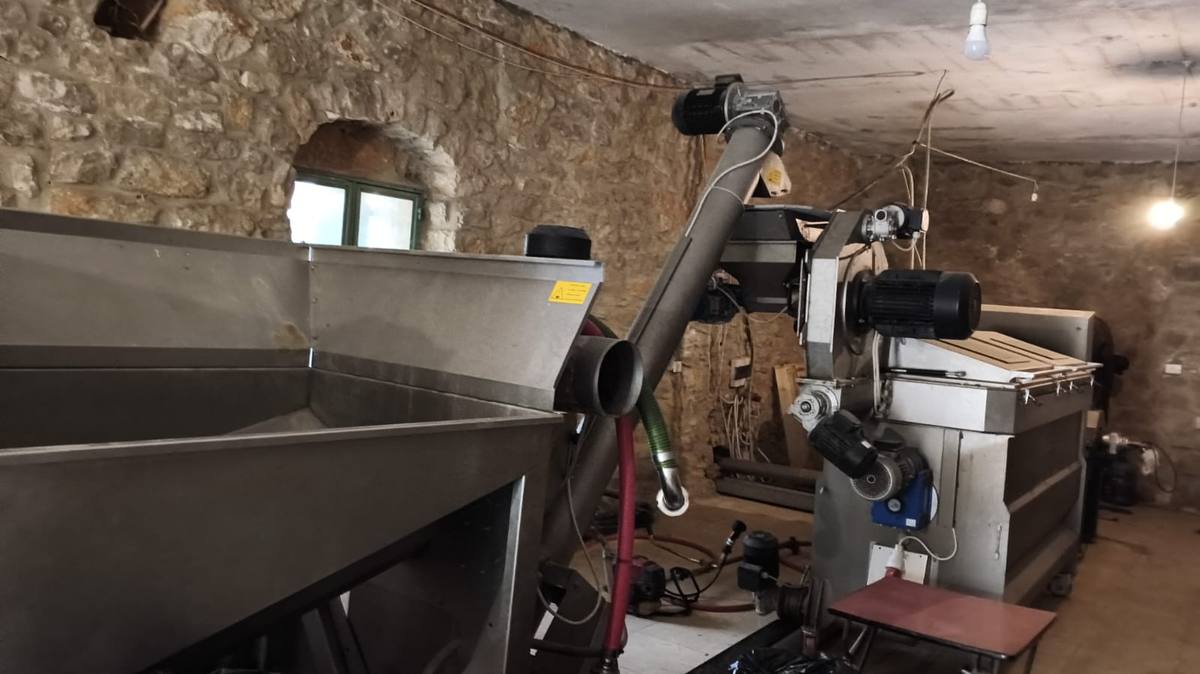
The Ardouna olive mill

Our own press, under the same roof as the trees

The Ardouna olive mill stands inside the old stone house in the middle of the grove. Owning it means we decide when to pick, how long the paste turns and how warm it gets.
1,000 mgrove altitude
2 htree to press
1grove, one origin
The two-phase line of the Ardouna olive mill inside the stone house at Mechmech
The Ardouna olive mill: a two-phase line, inside the house.
Our olive oil

Extra virgin olive oil · Harvest 2026

Two sizes, one oil. A small harvest, bottled once a year.
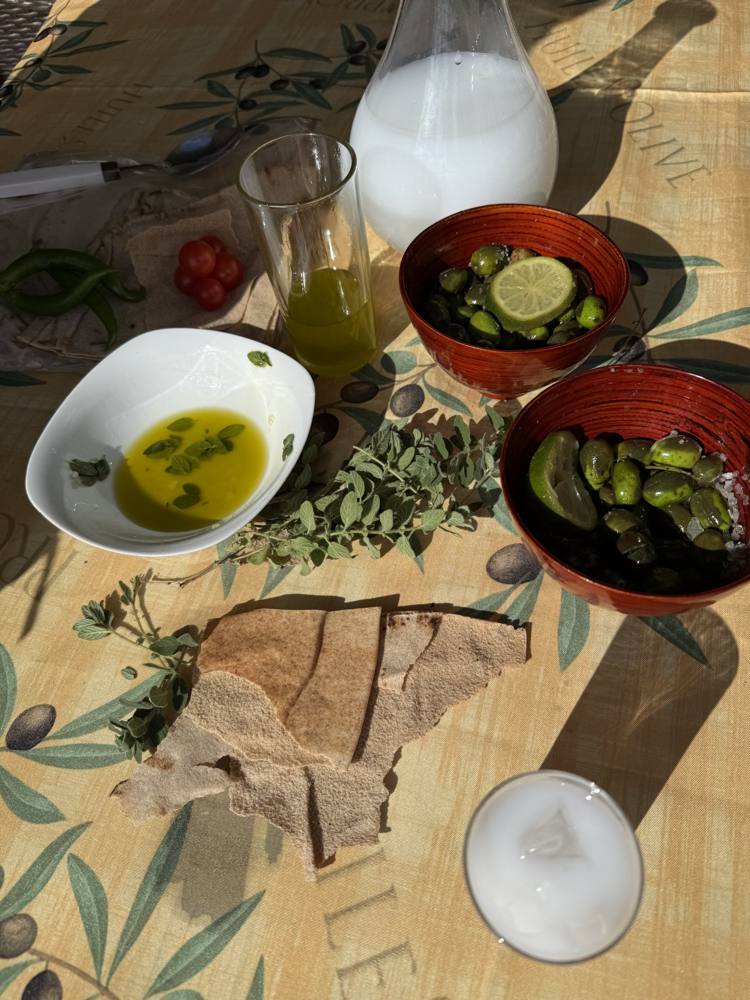
Ardouna oil served with bread, olives and fresh labneh on a table at the farm
At the table on the farm.
Bottle
500 ml
  • Early harvest, Mechmech, about 1,000 m
  • Cold-extracted within 2 hours
  • Unfiltered
Reservations open with the harvest
Bottle
1 L
  • Early harvest, Mechmech, about 1,000 m
  • Cold-extracted within 2 hours
  • Unfiltered
Reservations open with the harvest
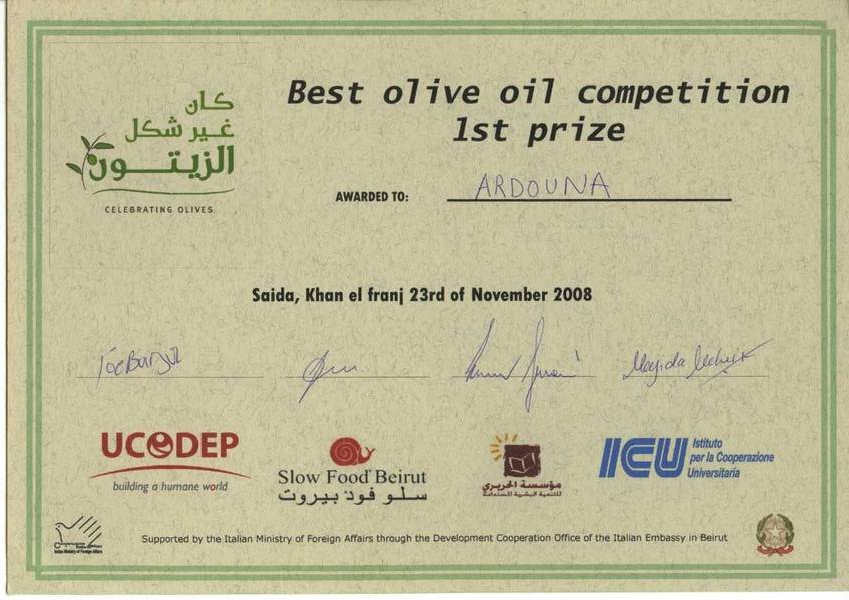
Certificate: 1st Prize, Best Olive Oil Competition, Saida, 23 November 2008
Recognition

Judged before we spoke about it

  • 20081st Prize, Best Olive Oil Competition, Saida
  • 2008–10HORECA prizes for small producers, including best label and bottle
  • 2010Featured as “green gold” in Essence magazine
Follow the grove through the seasons

Be told when the 2026 oil is pressed

Harvest notes, the lab results and the first release, a few times a year.
Walk the farmFollow Ardouna
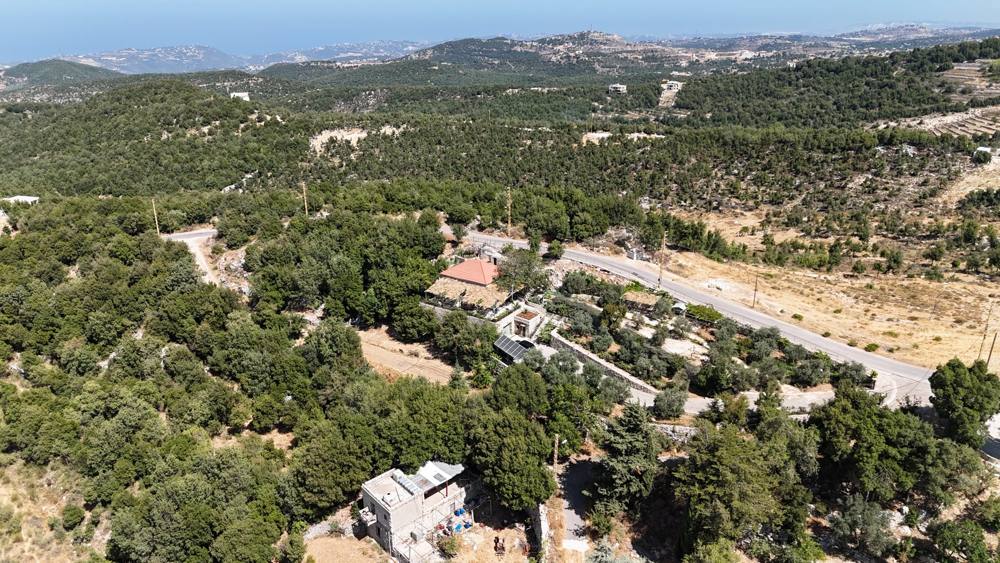
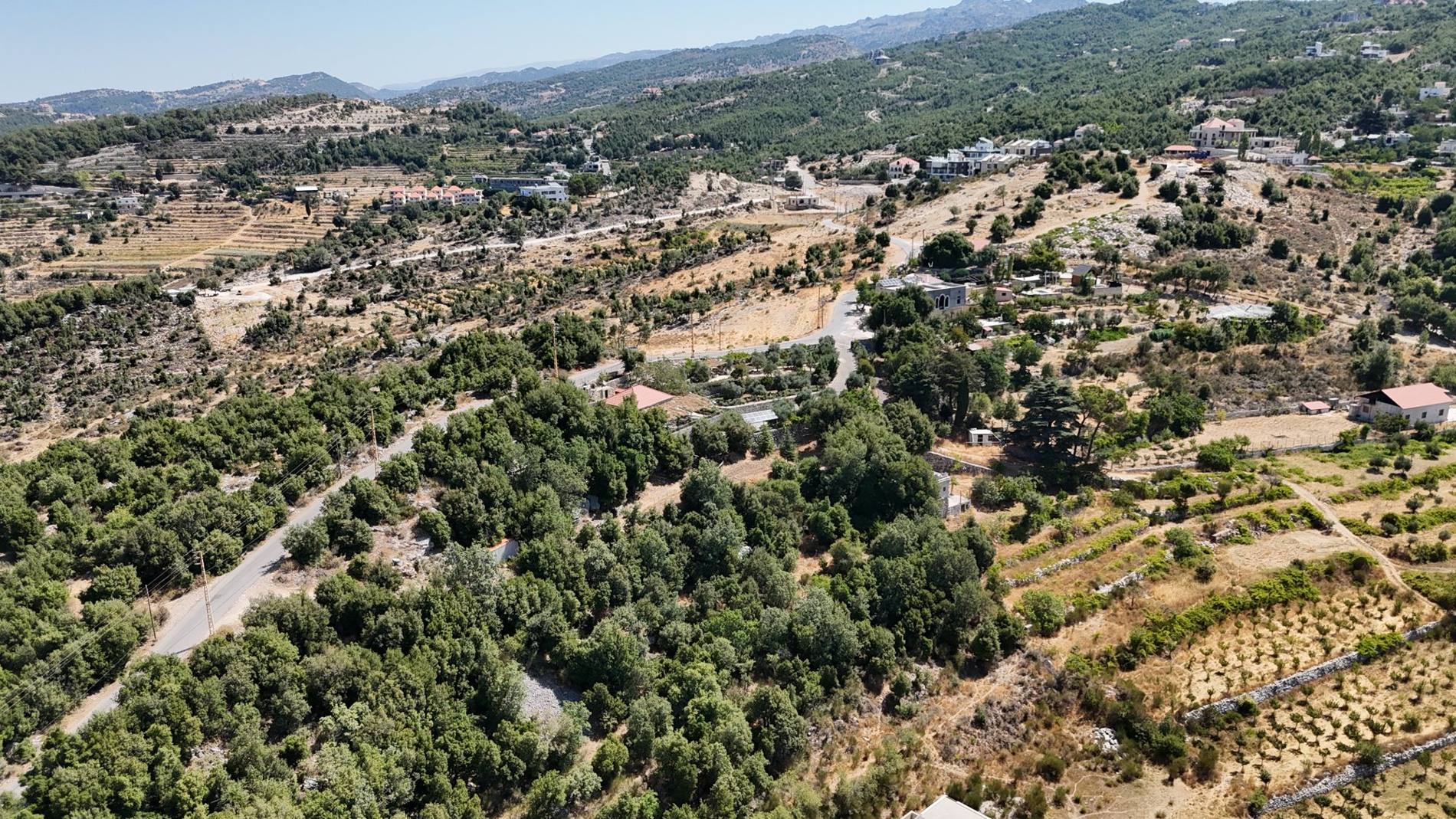
Aerial view of the terraces and olive plots around Mechmech
The farm · Mechmech · Annaya region · about 1,000 m

Walk the farm

From above

One house, its terraces, and the trees around it

The farm is in Mechmech, in the region of Annaya. The stone house of the Ardouna olive mill is at its centre, with the olive terraces stepping down around it and the sea on the horizon.
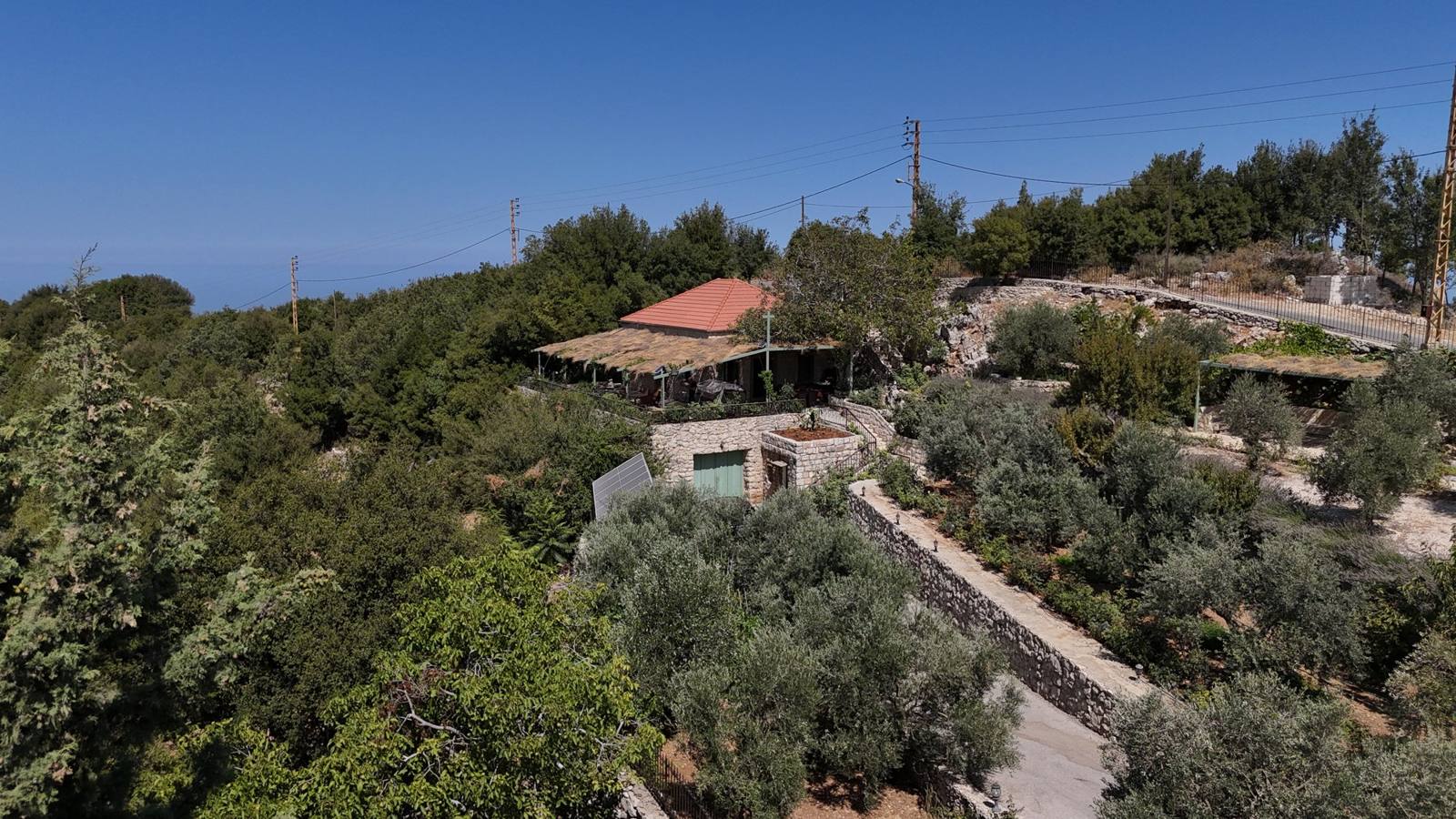
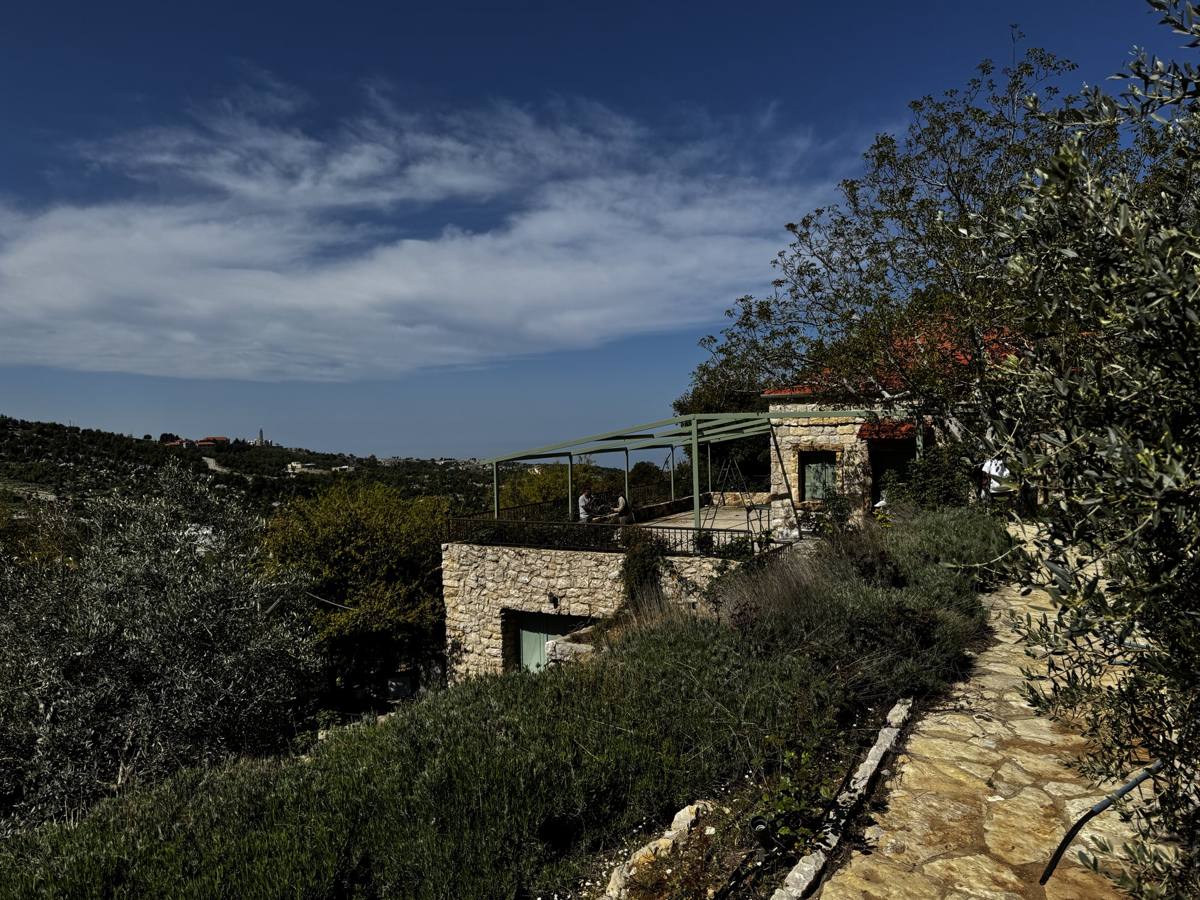
Aerial view of the stone house, its pergola and the olive trees around it
The house and the grove from the air.
The stone house on its terrace under a wide sky, with the hills behind
The house on its terrace.
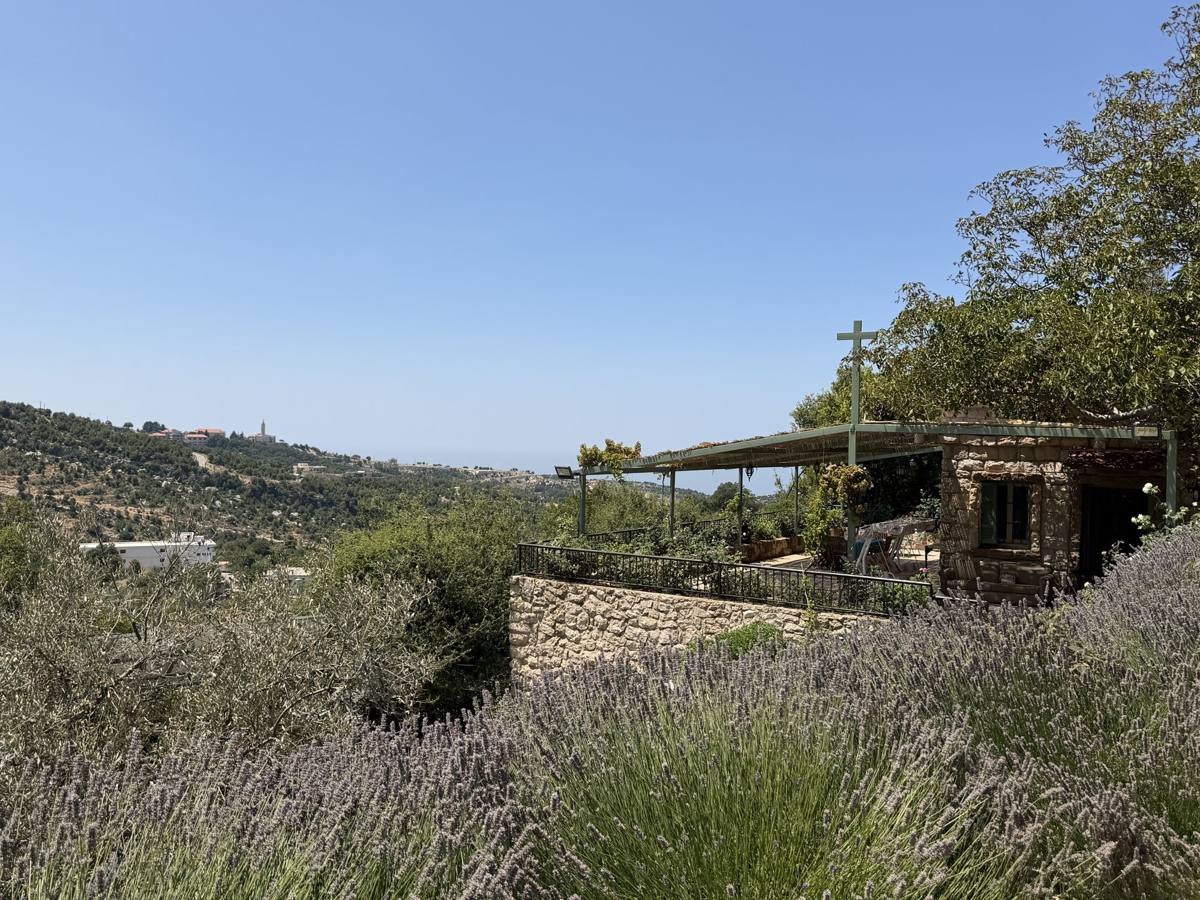
Lavender in front of the house, with the hills and the sea beyond
Lavender, the house, and the sea in the distance.
The grove

Old trees on dry-stone terraces

The olive trees grow on terraces held up by dry-stone walls. Some of the trunks are very old.
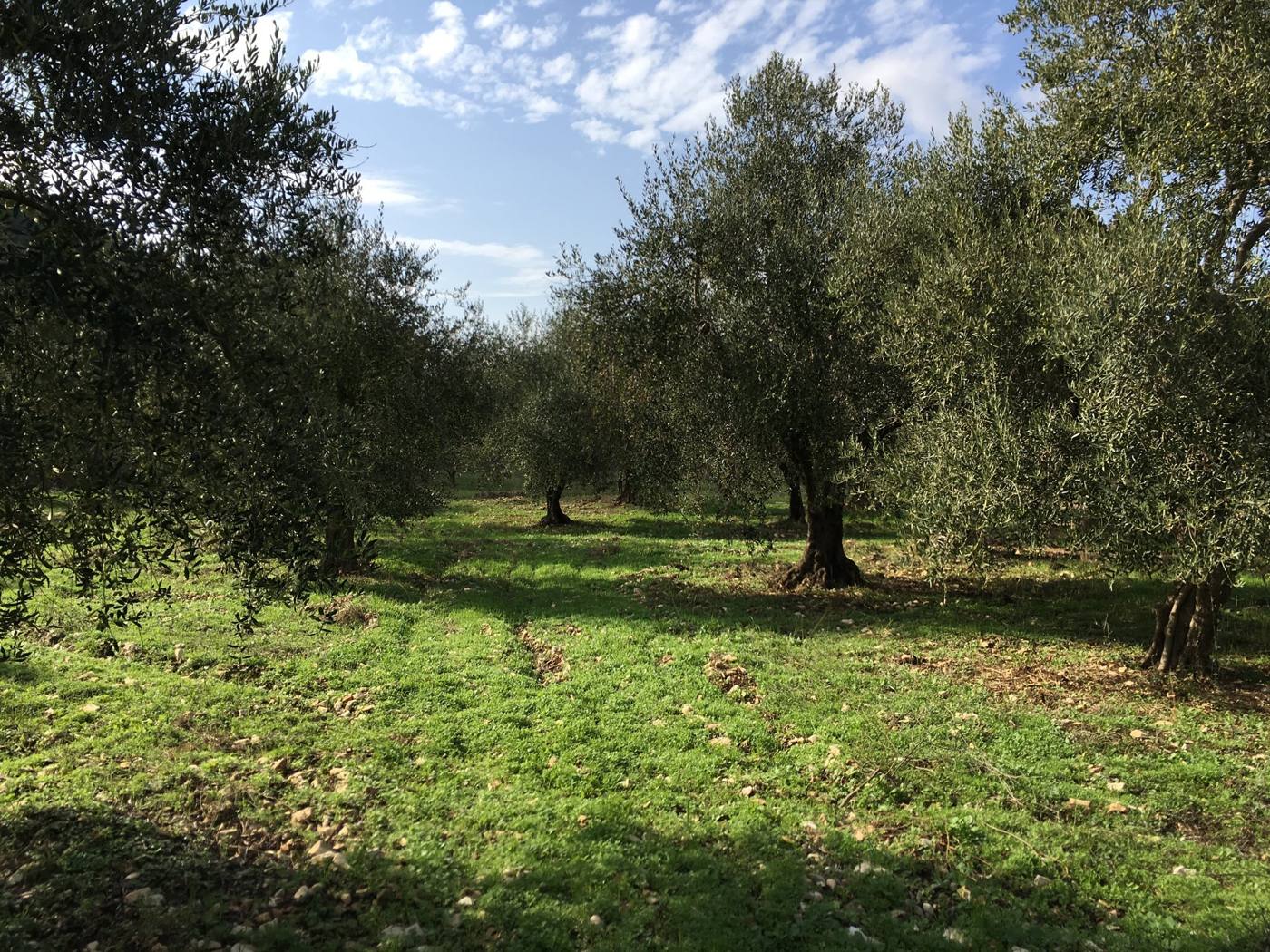
Rows of olive trees on green grass under a blue sky
The grove in November.
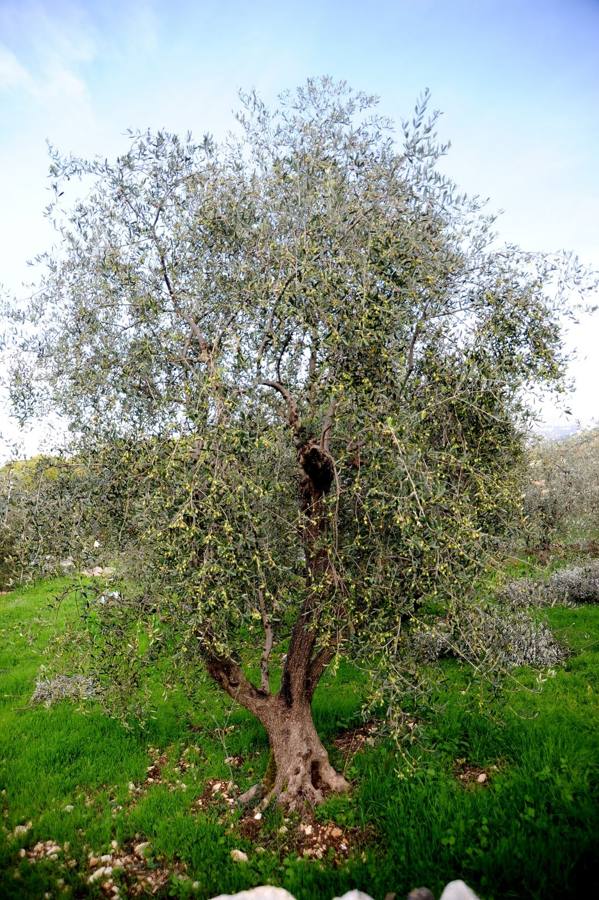
A single olive tree with a twisted trunk standing in green grass
One of the old trees.
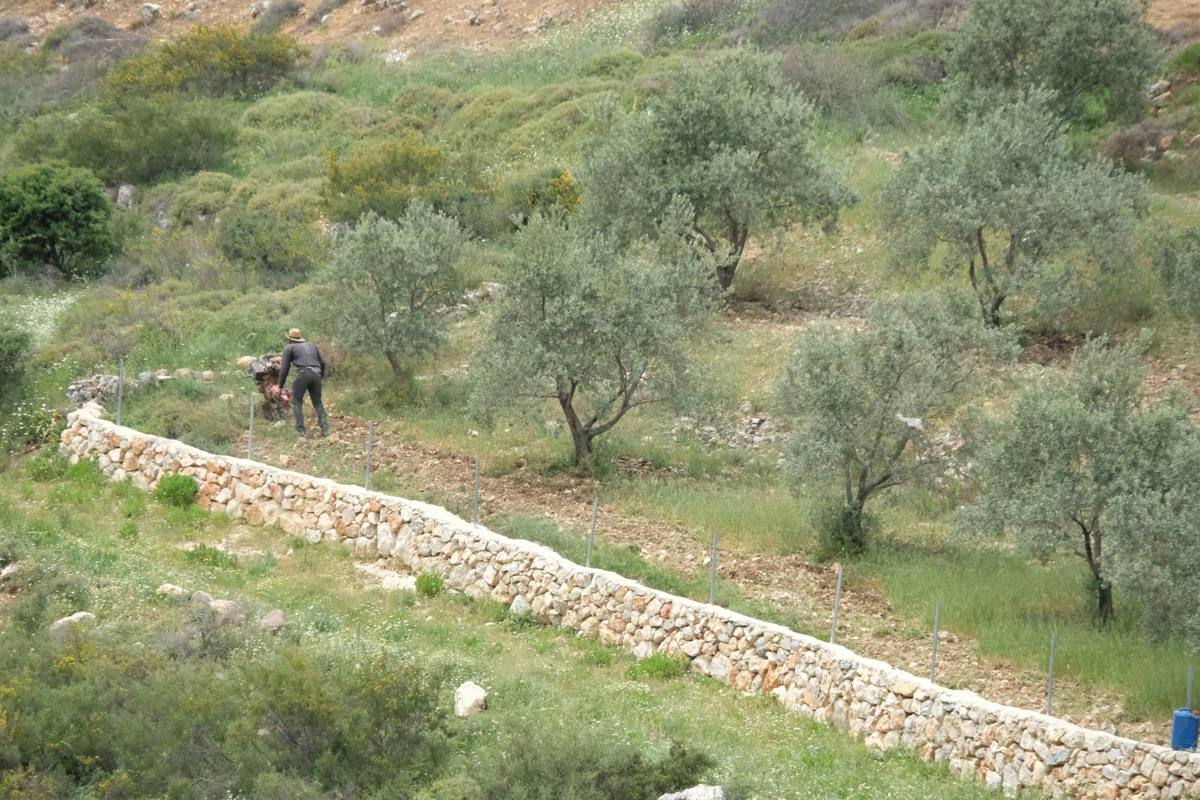
A long dry-stone wall holding up a terrace of young olive trees
A dry-stone terrace being worked.
Old olive trunks on red soil
Trunks on the red mountain soil.
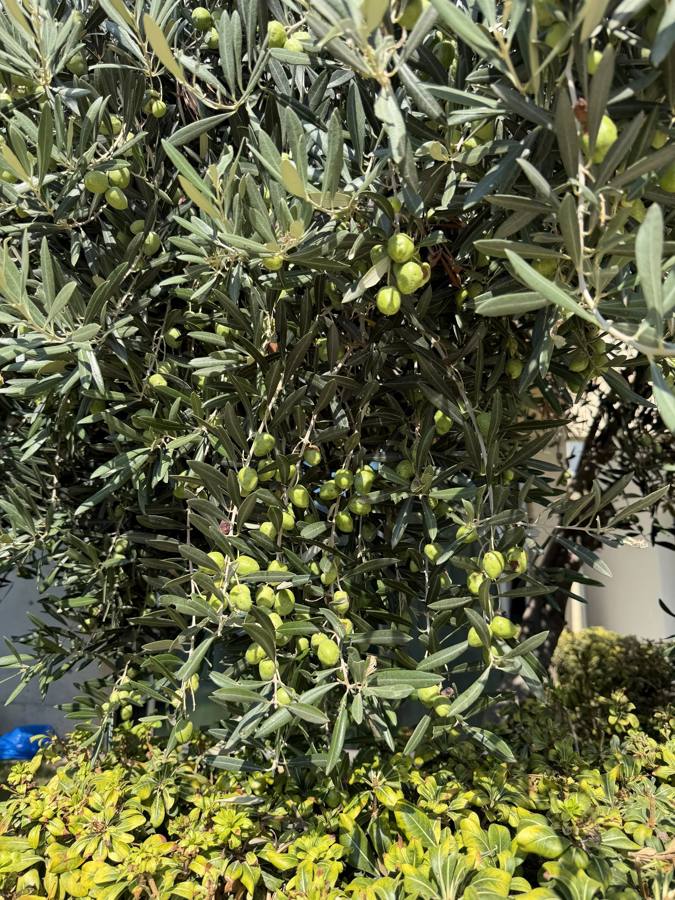
Green olives ripening on a branch
Fruit on the branch.
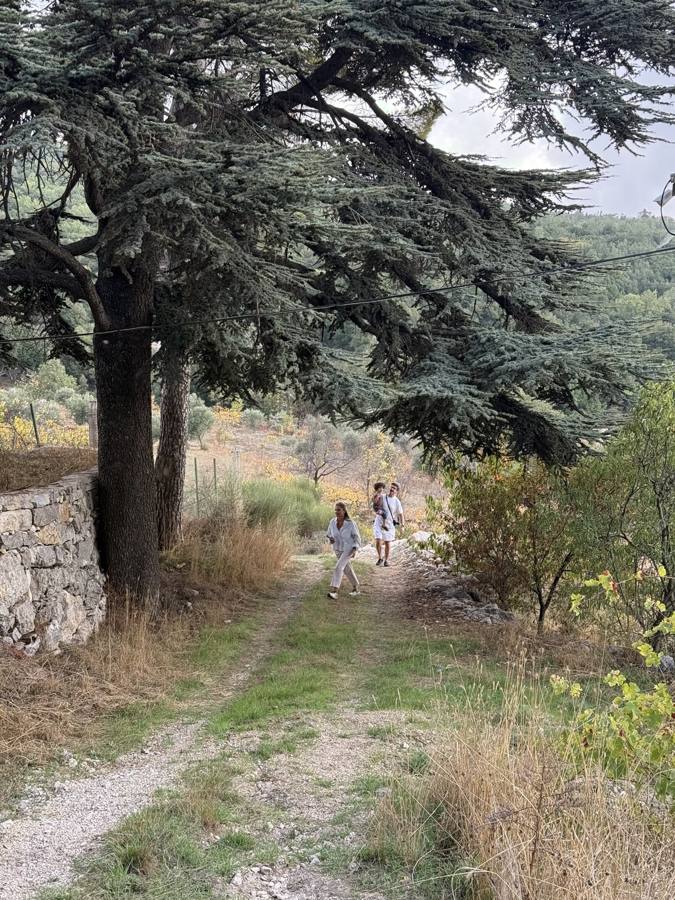
A dirt track under a cedar beside a dry-stone wall
The track under the cedar.
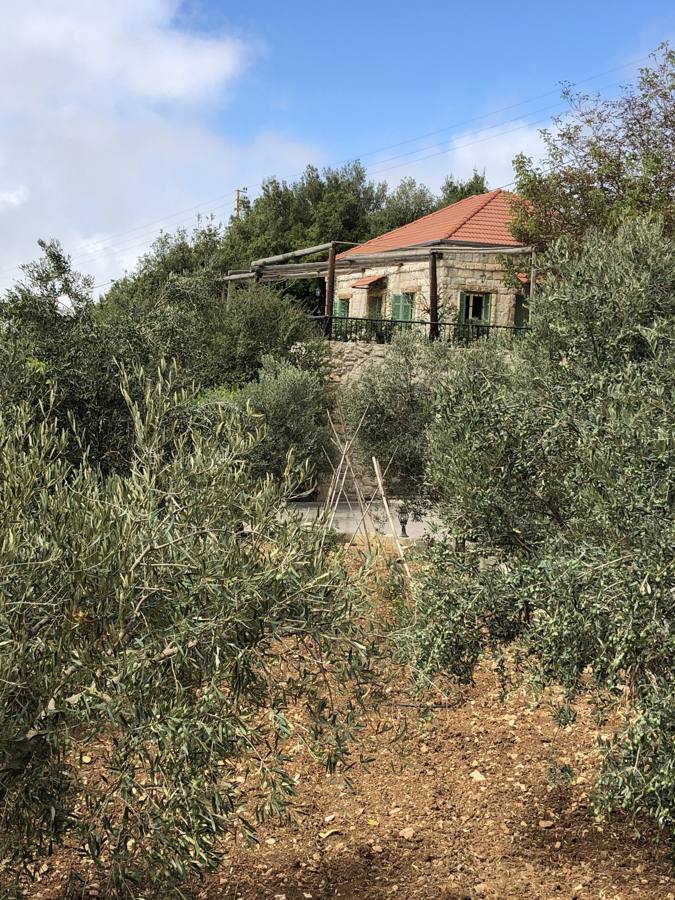
The red-roofed house seen above the olive trees
The house above the trees.
The harvest

The people who pick it

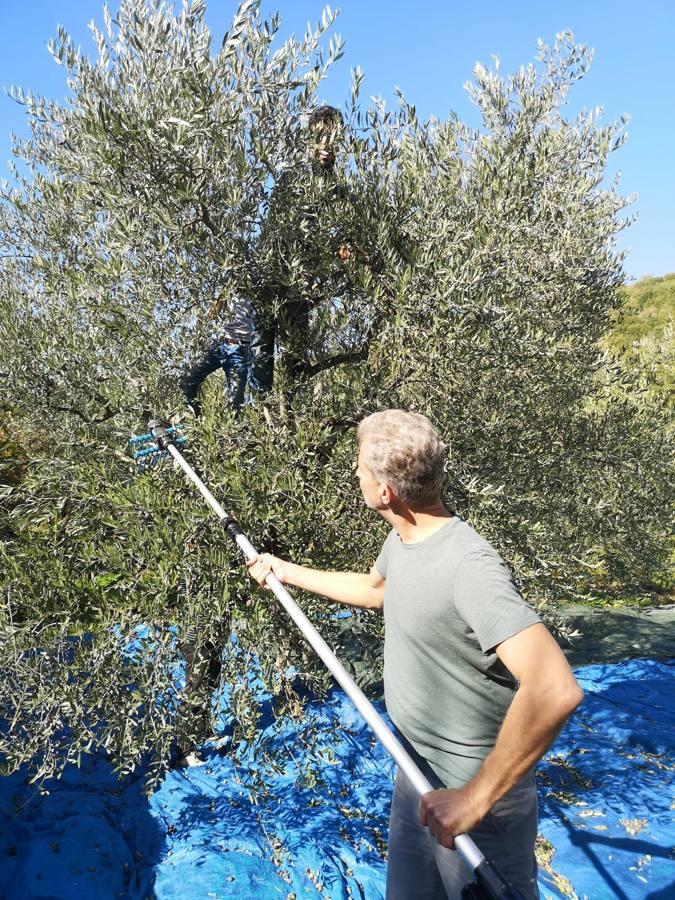
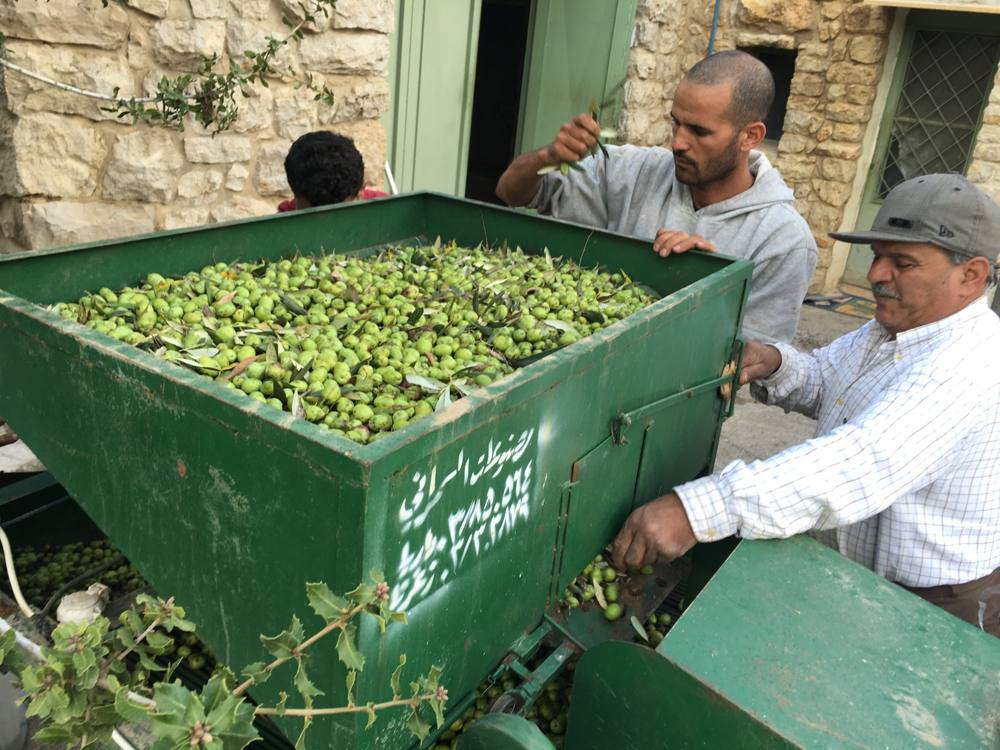
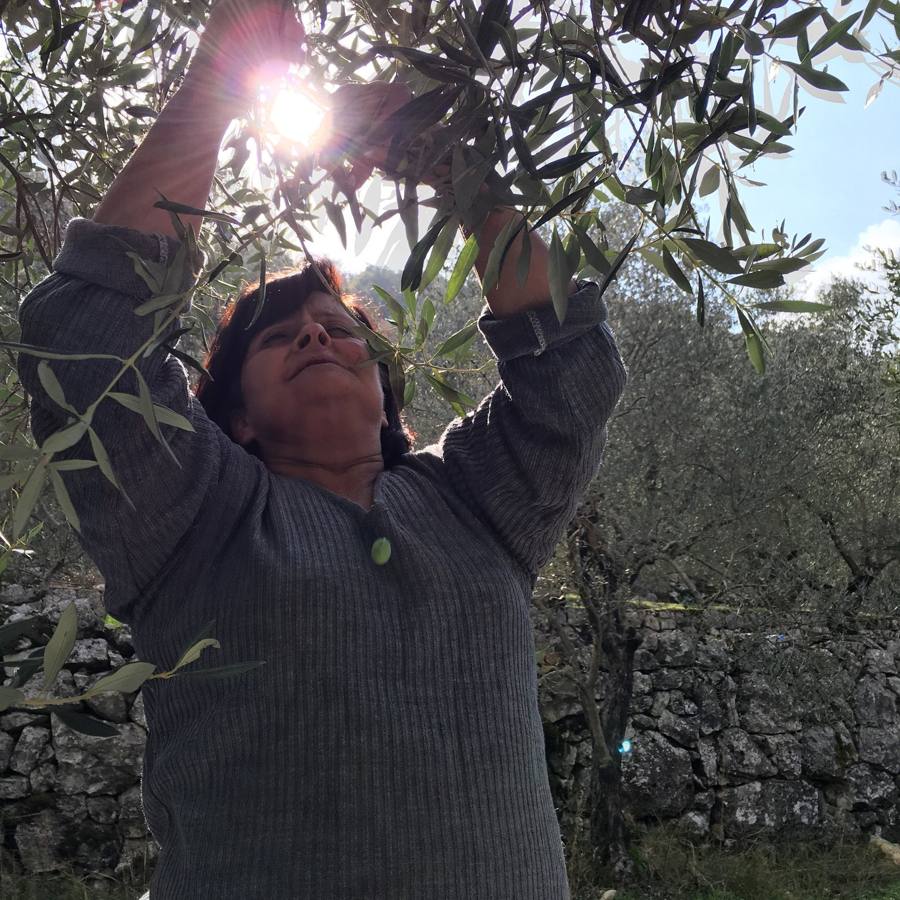
Every autumn pickers, sorters, family and friends come to the grove. The olives go from the sheets to the sacks, through the leaf-cleaner, and into the Ardouna olive mill.
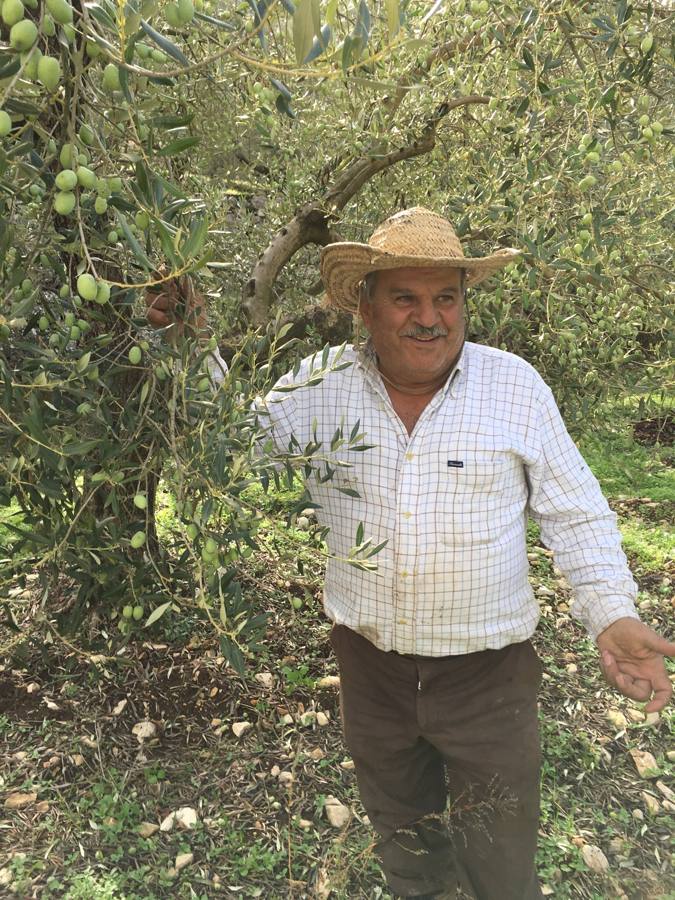
A farmer in a straw hat standing by an olive tree heavy with fruit
In the grove at harvest.
A woman picking olives from a branch against the sun
Picking by the branch.
A picker using a long pole above a blue harvest net
Nets under the trees.
Workers loading olives into the green leaf-cleaning hopper beside the stone house
The leaf-cleaner beside the house.
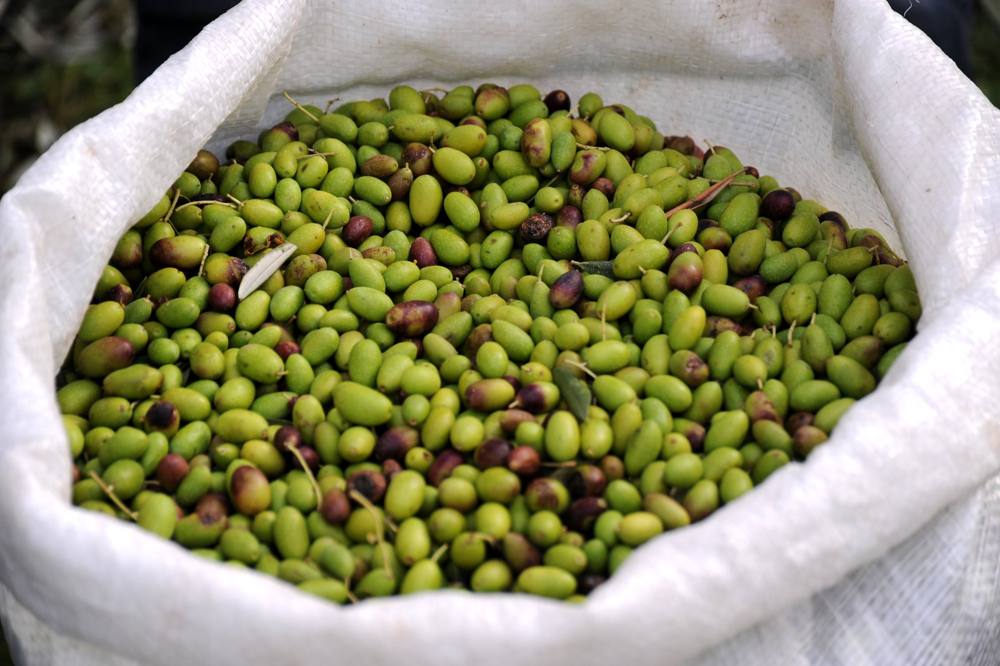
A sack full of green and purple olives
The day’s fruit.
Around the house

Roses, vines and the terraces in between

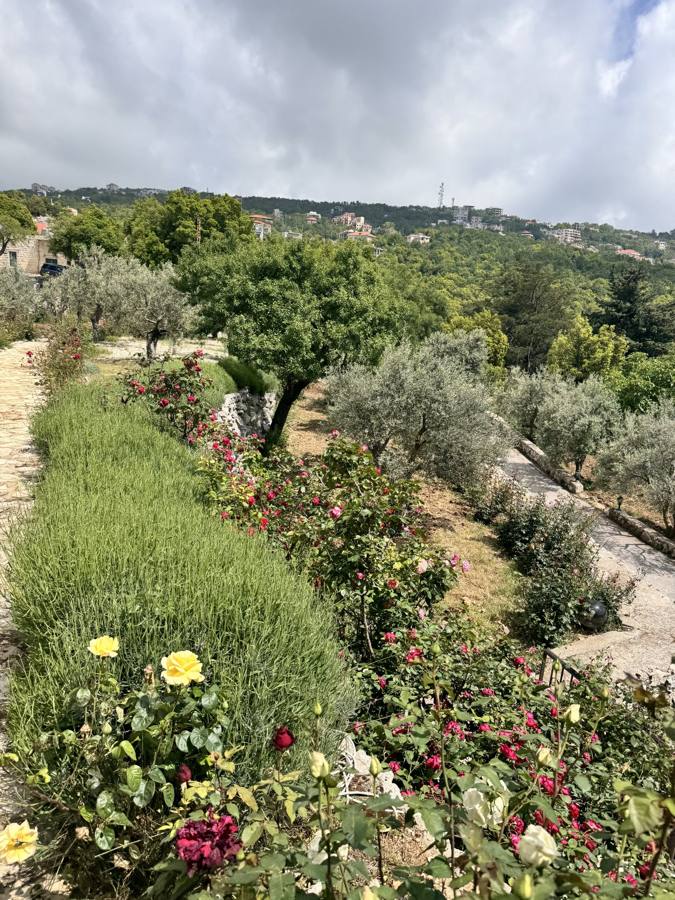
The garden around the house keeps the old mountain mix: roses along the paths, a vine on the terrace, lavender, fruit trees, and the dogs who keep watch.
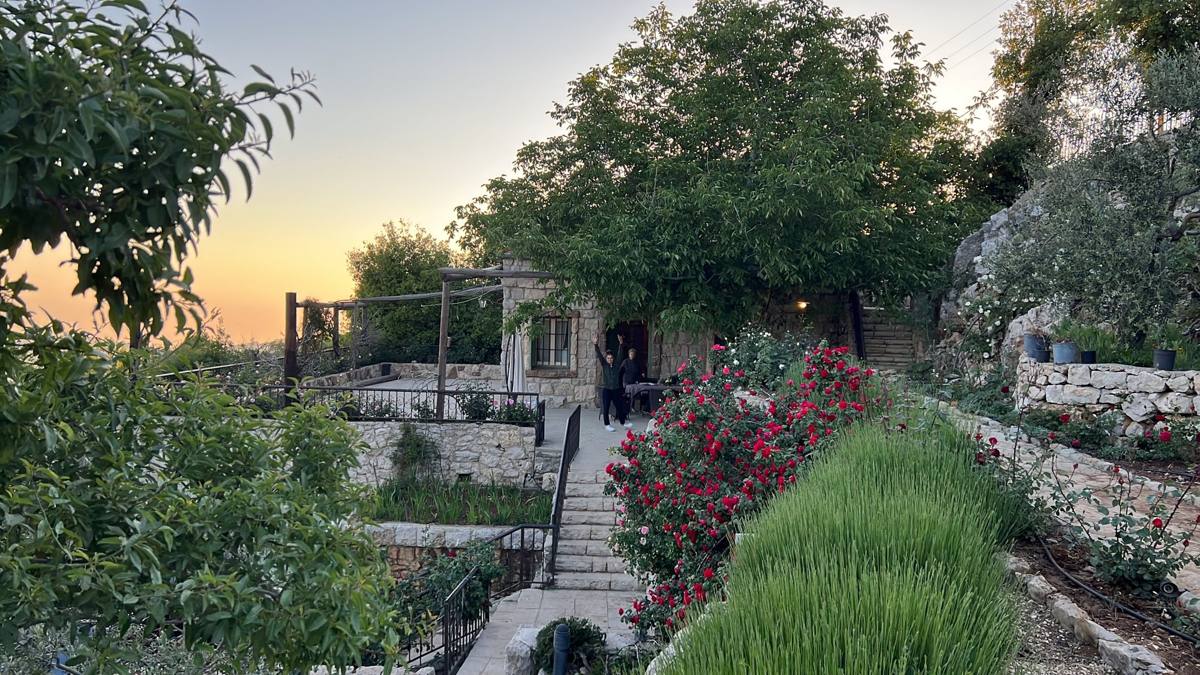
Stone terraces with roses and lavender leading up to the house at sunset
The terraces at sunset.
A stone path through the garden toward the house
The path to the house.
Lavender and roses in bloom on a terrace
Lavender and roses on the terrace.
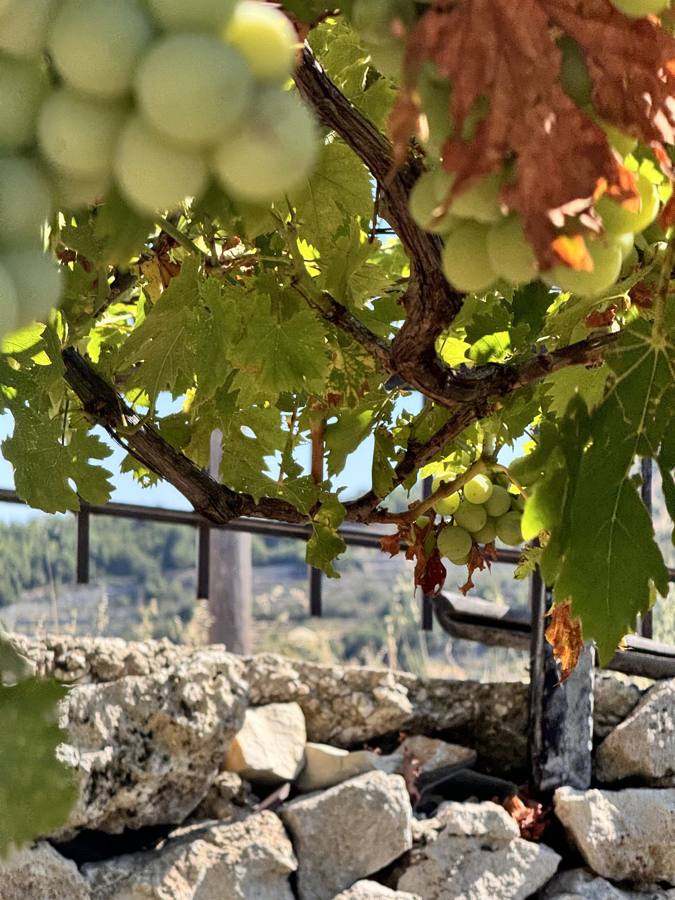
A bunch of green grapes hanging over the terrace wall
The vine on the terrace.
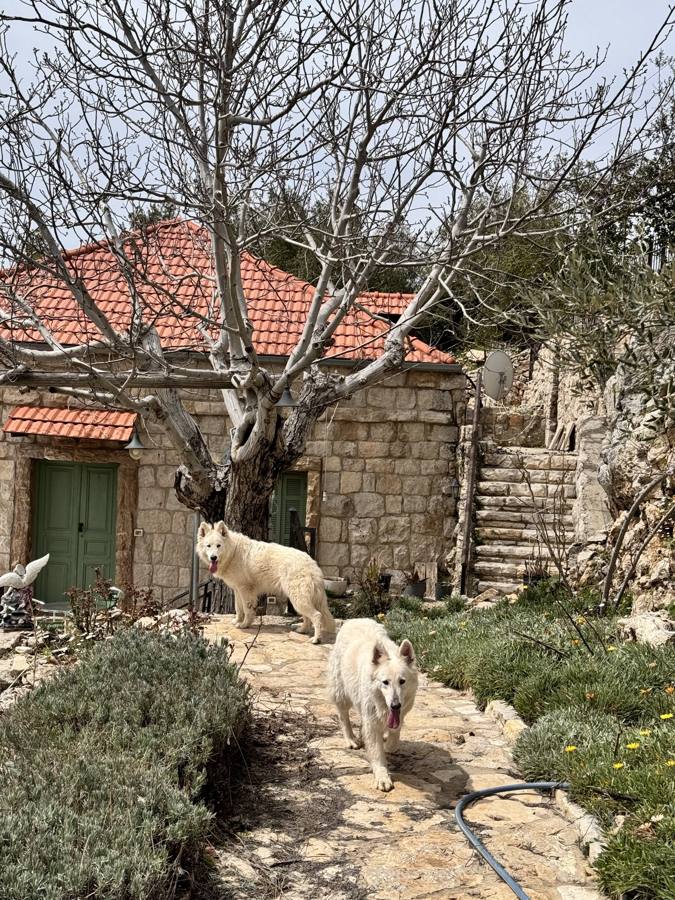
Two white dogs on the stone path in front of the house
The farm’s guardians.
The mountain around us

Face to face with Annaya

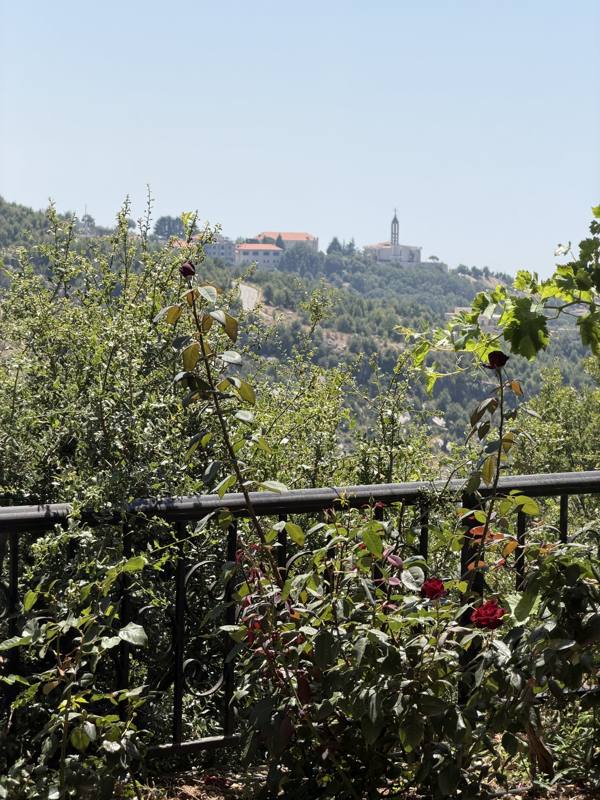
From the pergola the view runs across the valley to Saint Charbel’s monastery at Annaya, at the same height as the grove, and down to the sea. All our orchards are here, in Mechmech, in the region of Annaya.

Saint Charbel and Annaya
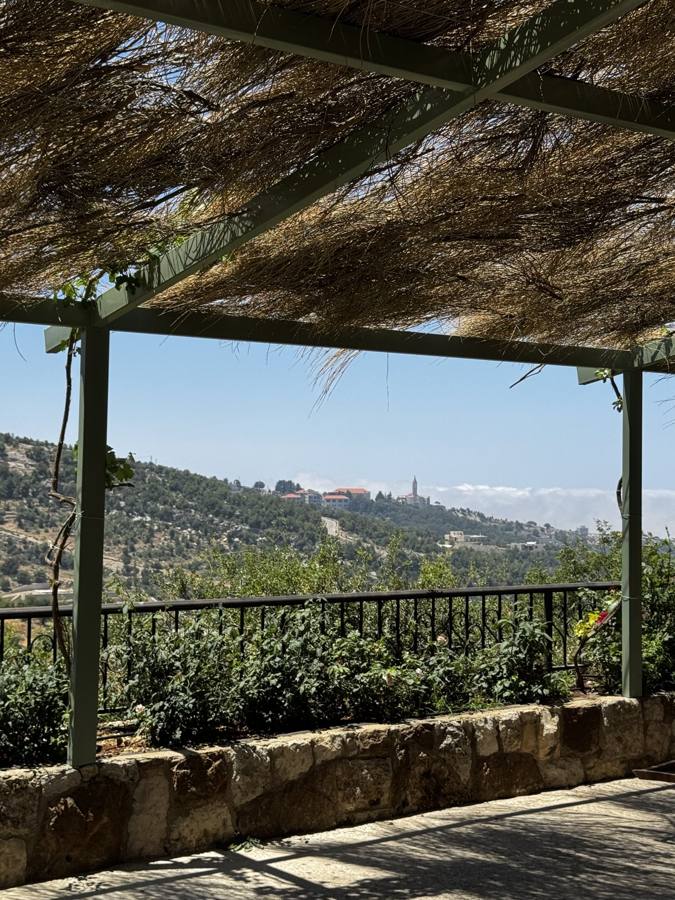
The view from under the pergola toward the monastery of Annaya and the sea
The view from the pergola.
The monastery of Saint Charbel at Annaya
Saint Charbel’s monastery at Annaya.
Roses on the farm terrace with the monastery of Annaya beyond
Roses on the terrace, Annaya beyond.
From this farm

Taste the 2026 harvest

Two sizes, one oil, from the trees on this page.

Back to ArdounaOur olive oil